

RFQ latency
Supplier discovery, quoting, and qualification review can stretch 6 to 12 weeks before hardware moves.
Typical intake to award
6 to 12 weeks
Asgard Industries · Austin, Texas
Asgard Industries connects engineering intent to industrial execution through two integrated systems. Launchbelt controls the digital thread. Forge coordinates industrial execution.
Join the Forge network or log in if you already have an account.
Launchbelt · The digital thread
Forge · Industrial execution
One production route, end to end
Diagram of one Launchbelt production route: a CAD package is decomposed into work packages, screened at a constraint gate for material, tolerance, and export-control requirements, executed across qualified supplier and Forge nodes, and converges into a documented, attributable delivery record.
Launchbelt: the digital thread
Requirements, routing, travelers, and quality records controlled in one continuous digital thread.
Forge: industrial execution
Physical work is executed across Asgard capabilities and qualified suppliers, coordinated through Forge.
Controlled coordination
Engineering, manufacturing, suppliers, quality, verification, deployment, and sustainment managed as one flow of work.
Traceability by design
Attributed traveler sign-off, versioned documents, and an audit trail on every workflow action.
Three failure modes show up in every program review. Each one compounds, and none of them have a tool. They have spreadsheets, emails, and a tribal memory that walks out the door at every handoff.
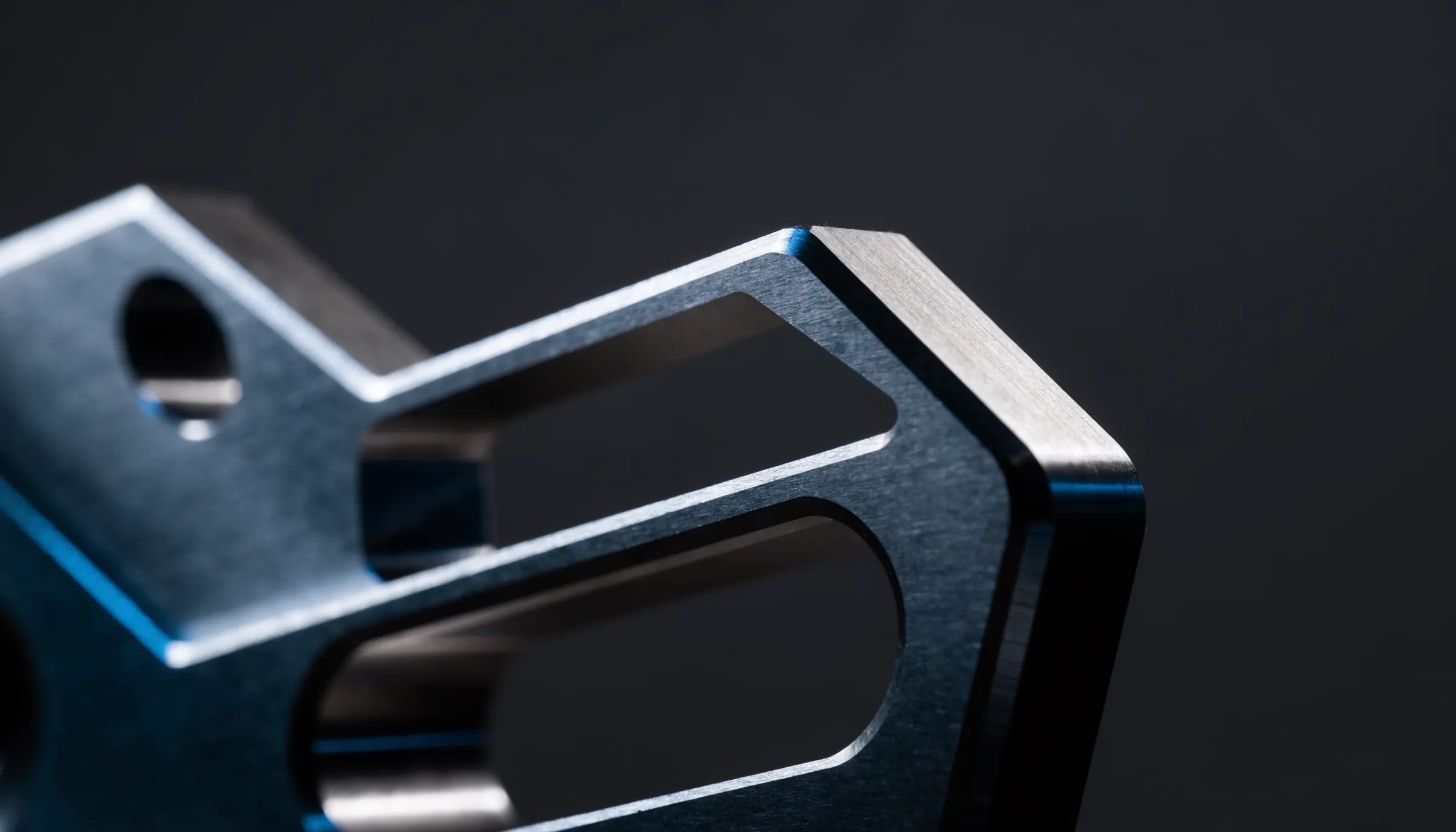
Supplier discovery, quoting, and qualification review can stretch 6 to 12 weeks before hardware moves.
Typical intake to award
6 to 12 weeks
Qualified shops operate as isolated nodes with limited visibility into machine availability, tooling constraints, and throughput.
Cross-supplier visibility
Near zero
Quality travelers, export controls, controlled data, and inspection records often break when work moves across suppliers.
Where custody breaks
Every handoff
American industry still has the machines, the shops, and the people to build serious hardware. What programs lack is a dependable way to reach that capacity and hold it to program standards. That is the layer Asgard Industries builds.
Machinists, inspectors, and technicians carry the skill high-reliability hardware depends on. Launchbelt turns their work into attributed, timestamped production records a program can act on.
Real capacity sits on real machines in independent shops across the country. Forge organizes that capacity into one industrial execution network, with requirements carried in every traveler.
Open machine hours exist in every region. Capacity only becomes production when it can be reached, scheduled, verified, and trusted. Access without coordination is not enough.
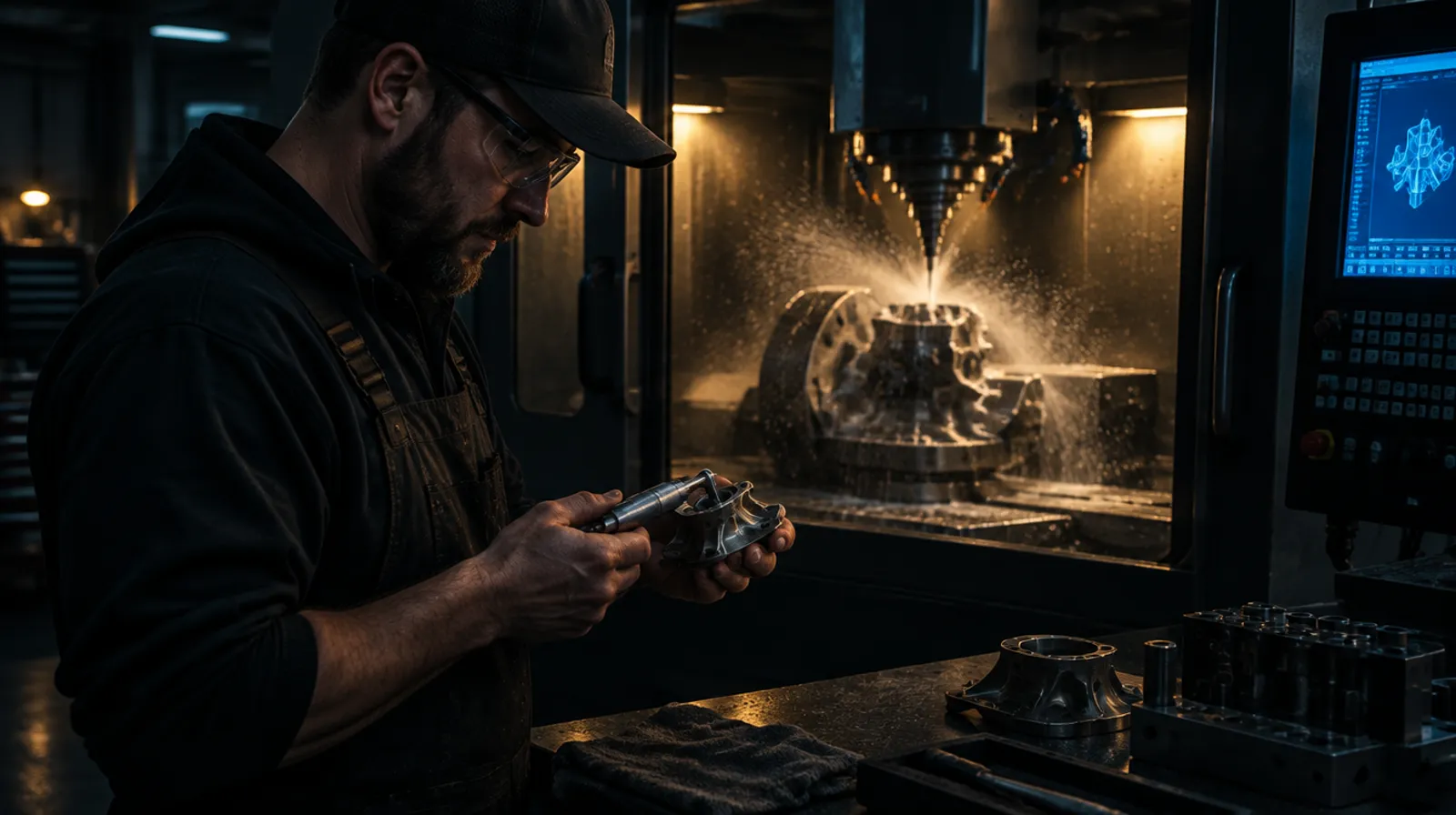
Capacity alone does not deliver hardware. Asgard Industries coordinates engineering, manufacturing, suppliers, quality, verification, deployment, and sustainment as one controlled flow of work. That is how programs deliver, and how American industry stays resilient.
American industrial mobilization connected engineering, factories, suppliers, workers, tooling, inspection, and final assembly across a distributed production base. Coordination depended on people, paper, standards, and centralized production control.
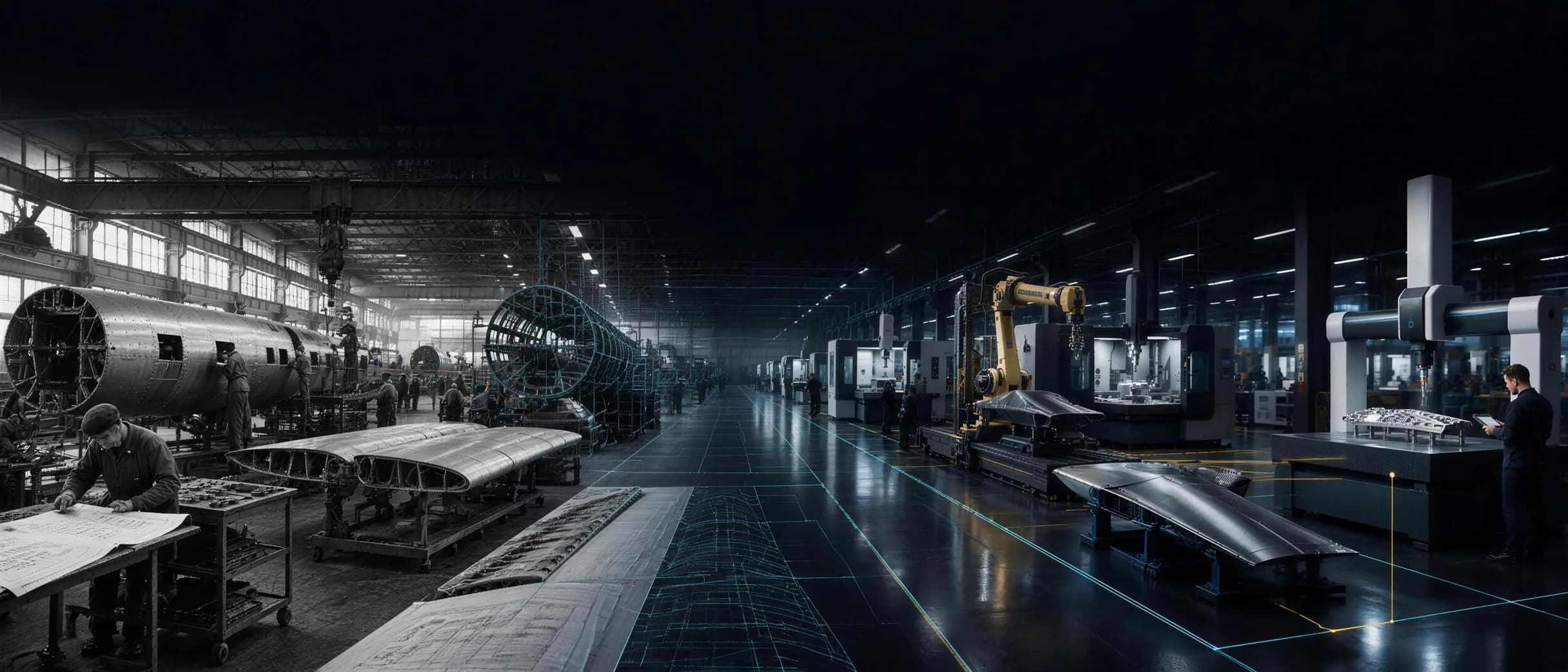
Today, the industrial base is digital. Its coordination layer should be too.
Launchbelt · Digital orchestration for distributed industrial execution
Launchbelt maintains the controlled relationship between what was required, what was released, where it was built, how it was verified, and what was delivered.
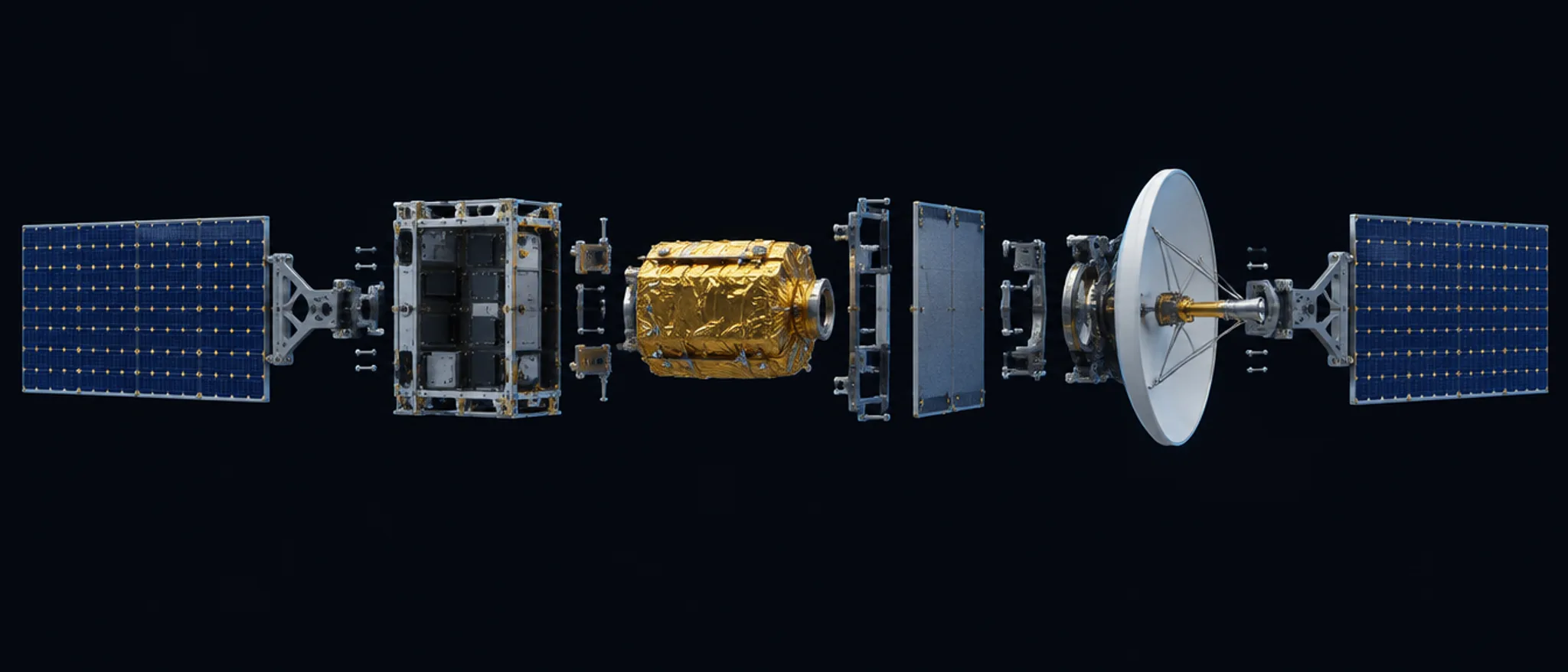
A program uploads its CAD package and requirements. Launchbelt reads geometry, materials, and quality clauses into one structured intake.
The assembly is decomposed into discrete work packages, each carrying its own drawings, specs, and inspection requirements.
Every work package is screened against material, tolerance, qualification, export-control, and capacity constraints before it can route.
Work routes to qualified nodes across Forge. Travelers, inspection steps, and attributed sign-offs move with each job.
Completed work closes out with its traveler history, inspection reports, and certificates attached to the job record.
Forge coordinates industrial execution: physical work is executed across Asgard capabilities and qualified suppliers through Forge. Launchbelt gives operators a single live view of every node, route, and audit trail. The view below is a representative snapshot with sample data rather than customer figures.
Operator console
Sample view
Routed throughput
$M · trailing 12 months
Sample chart: routed monthly throughput rising steadily from 22.1 to 42.8 million dollars over twelve months.
Partner utilization
Capacity-weighted
| Route | Part | Node | Stage | ETA | Health |
|---|---|---|---|---|---|
| RFQ-2418 | PART-LB-7706-A | MFG-09 · Ohio | Execute | T+11d | On track |
| RFQ-2391 | PART-LB-6118-C | FNSH-02 · California | FAI | T+04d | On track |
| RFQ-2376 | PART-LB-5582-B | MFG-04 · Washington | Routing | T+18d | Watch |
| RFQ-2368 | PART-LB-5417-A | TREAT-03 · Texas | Execute | T+09d | On track |
| RFQ-2354 | PART-LB-5294-D | MFG-11 · Colorado | Quoting | T+22d | On track |
| RFQ-2349 | PART-LB-5188-A | ASSY-12 · Massachusetts | Qualified | T+02d | On track |
Track production value routed across the network, by program and period.
Follow every open route across programs from one live queue.
See qualified supplier and internal Forge nodes with current capability status.
Measure intake to award time and compress it round over round.
Balance load across the network with capacity-weighted utilization.
Review who did what, and when, on every RFQ, quote, and job.
Launchbelt carries program context with production: attributed traveler steps, versioned documents, export-control eligibility rules, and role-scoped access that move with the work across Forge.
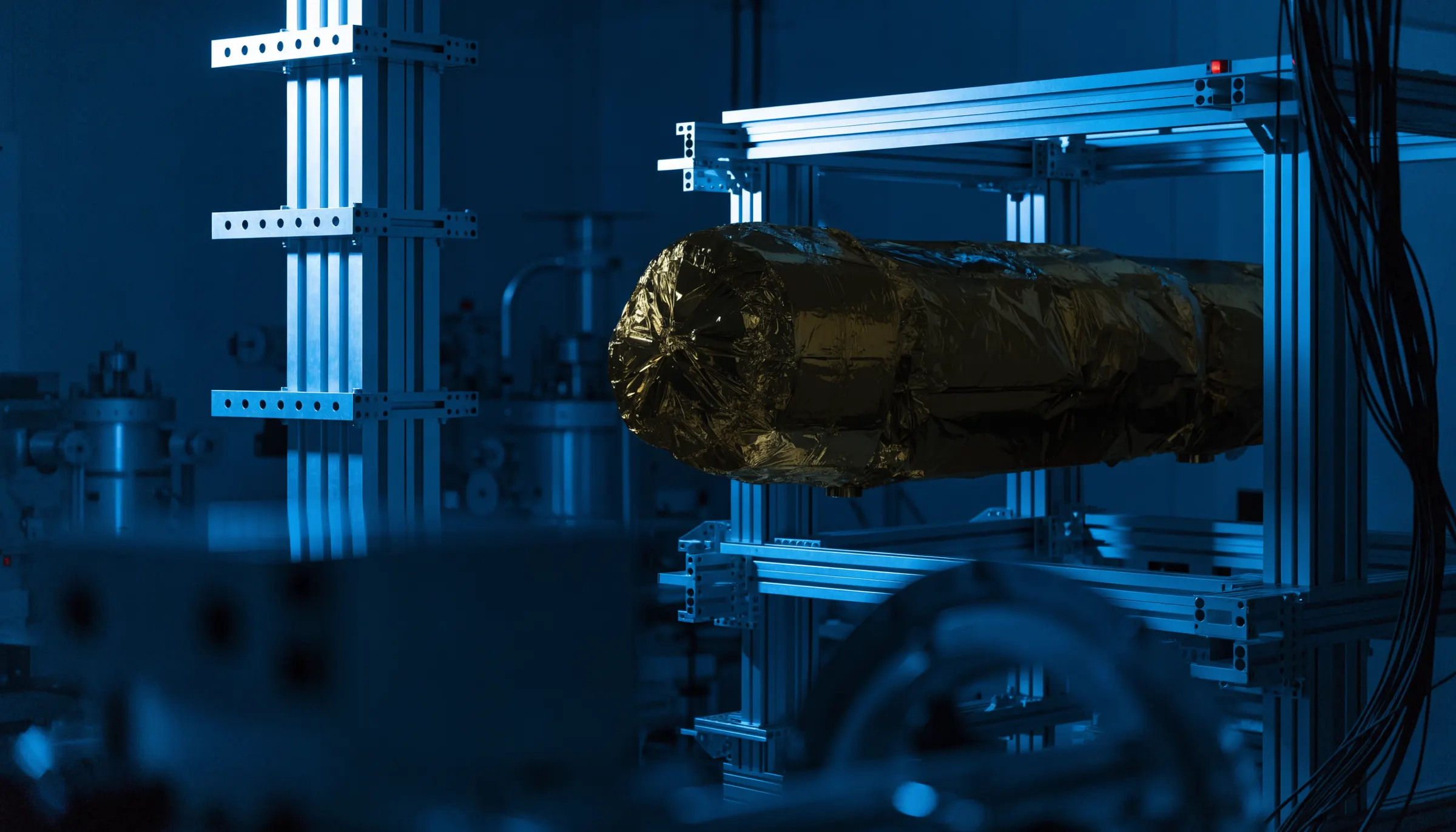
Each job carries a digital traveler through scheduling, production, inspection, and completion. Every step is attributed and timestamped, and inspection reports and certificates attach to the job as versioned documents.
Program data is scoped by role and organization. Program owners, suppliers, and Asgard operators see the records they are permitted to see, and every workflow action is recorded with who, what, and when.
Programs and RFQs carry export-control flags. Routing applies eligibility rules against supplier registrations before an operator can request a quote.
Status
Architecture requirements are being developed against applicable customer, contractual, export-control, cybersecurity, and quality requirements. Certification and compliance status vary by program and deployment.
Asgard Industries was built for aerospace and defense, where execution demands rigorous control, traceability, and evidence. The same coordination discipline now extends across adjacent hardware sectors.
Airframes, structures, and propulsion for commercial and military aircraft programs.
Satellites, launch hardware, and orbital payloads, from prototype to constellation.
Mission systems, sensors, and ISR hardware built inside export-controlled and controlled-data workflows.
Naval structures, subsea systems, and shipboard hardware built for harsh service.
Vehicles, armor, and land platforms held to defense qualification standards.
Uncrewed aircraft, autonomy hardware, and robotic platforms at production rate.
Power, grid, and heavy industrial equipment where reliability is non-negotiable.
Any program where traceability, qualification, and yield decide the outcome.
Cycle time
Compress RFQ cycles
Discovery to award
Coordination
Reduce manual coordination
One controlled workflow
Capacity
Expose qualified capacity
Routed production work
Quality evidence
Maintain quality evidence across handoffs
Audit packets assembled per program
Performance figures will be published as they are measured against program baselines in pilot deployments.
Launchbelt controls the digital thread. Forge coordinates industrial execution. Asgard Industries runs them as one controlled path from requirement to fielded hardware.
Already a Launchbelt user? Log in
Built and operated by Asgard Industries · Austin, Texas
